Almond

​ 

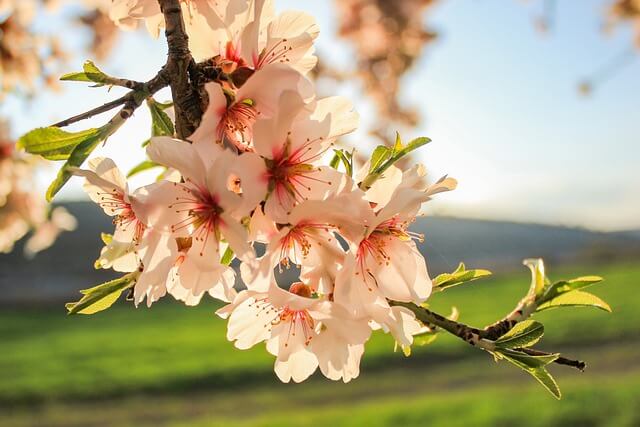
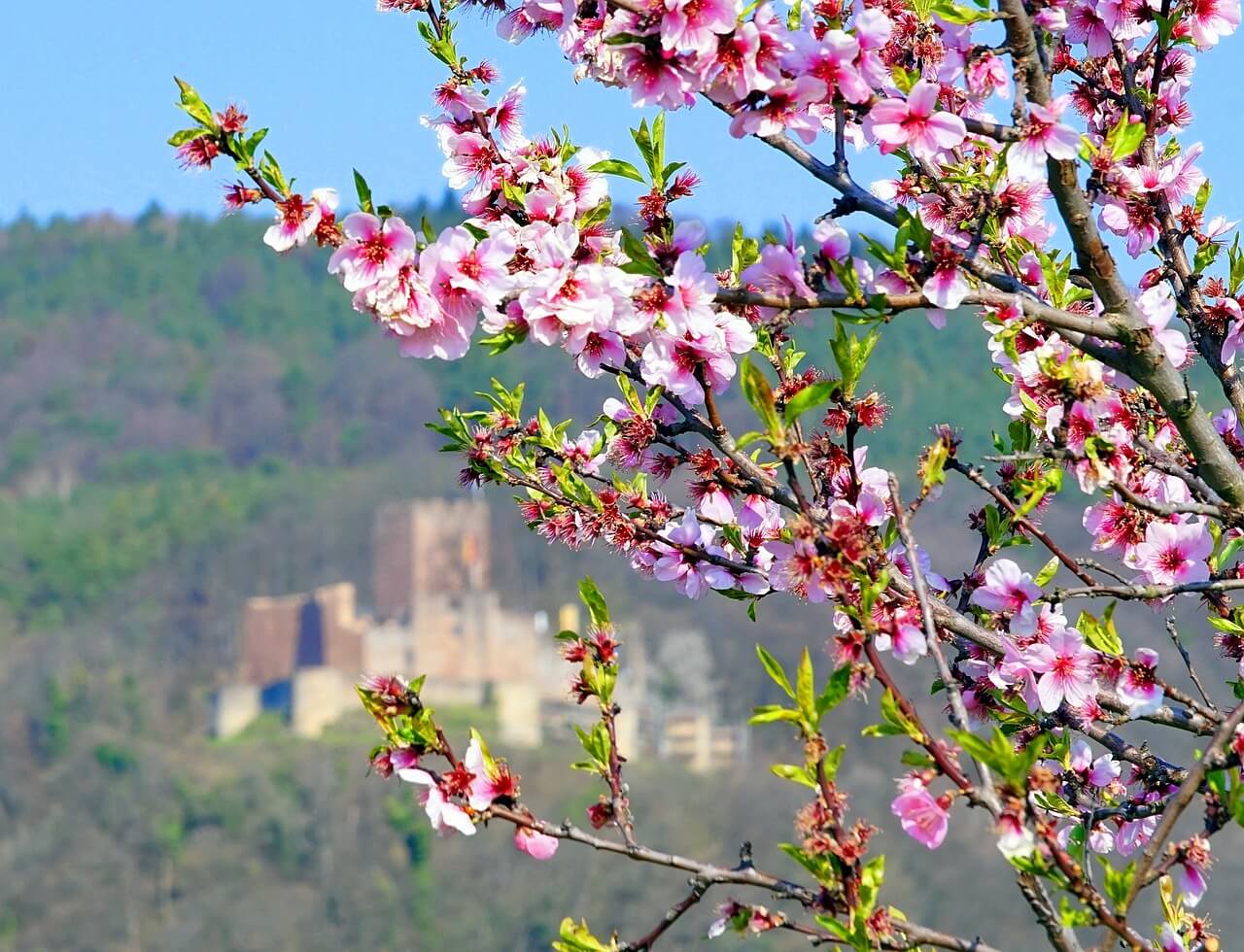
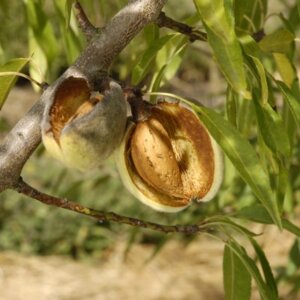
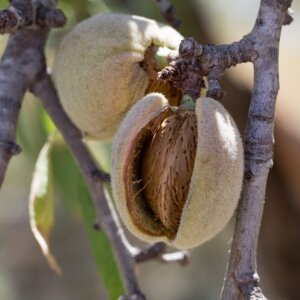
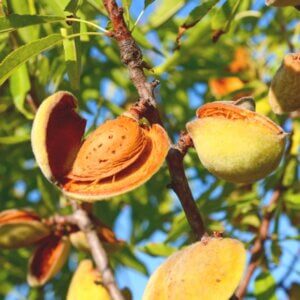
     Almonds are not only one of the most tasty and nutritious nuts around, they also make for very attractive, medium sized trees that are prized for their profuse, pinkish-white, fragrant flowers. Almonds have been difficult to grow in many colder regions of the U.S. because their early blooms are hurt by frost. However, these new varieties were developed by the Nikita Botanic Garden in Yalta, Ukraine to bloom much later than usual – at about the same time as peaches – avoiding damage from late frosts. If you can grow peaches, you can grow these varieties of almonds!


Tolerances:

  • Hardiness: -20°F (USDA zone 5) or below
  • Light: Full sun – half day sun
  • Moisture: Low – Medium
  • Soil Type: Well-drained;
  • PH: Slightly acid – very acid
  • Deer Resistance: Low
  • Pest & Disease Resistance: Not typically bothered by pests and they appear to be very resistant to damage by bacterial canker (a disease that can affect Plums, Cherries, Peaches and other stone fruits).

Special Uses:

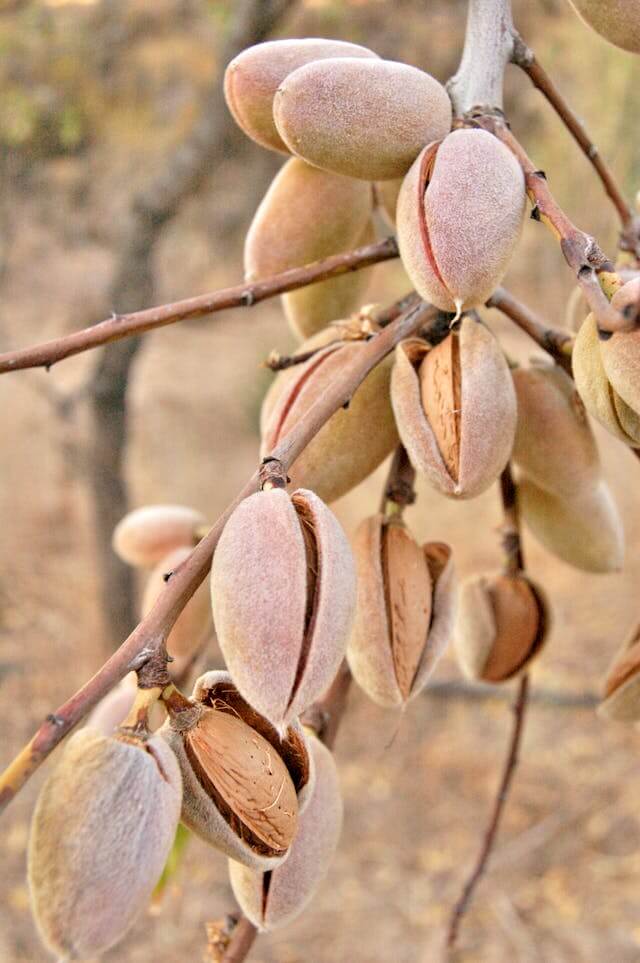
  • Tasty nuts
  • Super food: Nutritive
  • Medicinal: oil used for mucous-membrane health
  • Nectary

Habits:

  • Growth Rate: Medium-fast
  • Yield: 20+ pounds
  • Bearing Age: Should begin to bear 2-3 years after planting
  • Rootstock Description: Grafted on Lovell Peach rootstock. Lovell Peach is well adapted to different soil types.
  • Height: 10-15 feet
  • Width: 10-15 feet
  • Bloom Time: April (same time as most peaches)
  • Pollination: Partially self-fertile; will produce some on it’s own but will produce more if planted near another Almond or Peach.
  • Ripening Time: September

Possible Drawbacks:

  • Leaves contain cyanide. Can cause vomiting, coma and even death. Applies to all in the Prunus family (cherries, plums, peaches, nectarines, apricots, etc.). Do not feed to livestock.
Shopping Cart

Filter by price

Filter by stock status

Filter by rating

Filter by attribute

Scroll to Top